-
Table of Contents
Amino Acids: Allies in Muscle Recovery
As athletes and fitness enthusiasts, we are constantly pushing our bodies to the limit in pursuit of our goals. Whether it’s building muscle, improving endurance, or increasing strength, we put our bodies through intense physical stress. And while exercise is essential for achieving these goals, it also leads to muscle damage and fatigue. This is where amino acids come in – the building blocks of protein that play a crucial role in muscle recovery.
The Importance of Amino Acids in Muscle Recovery
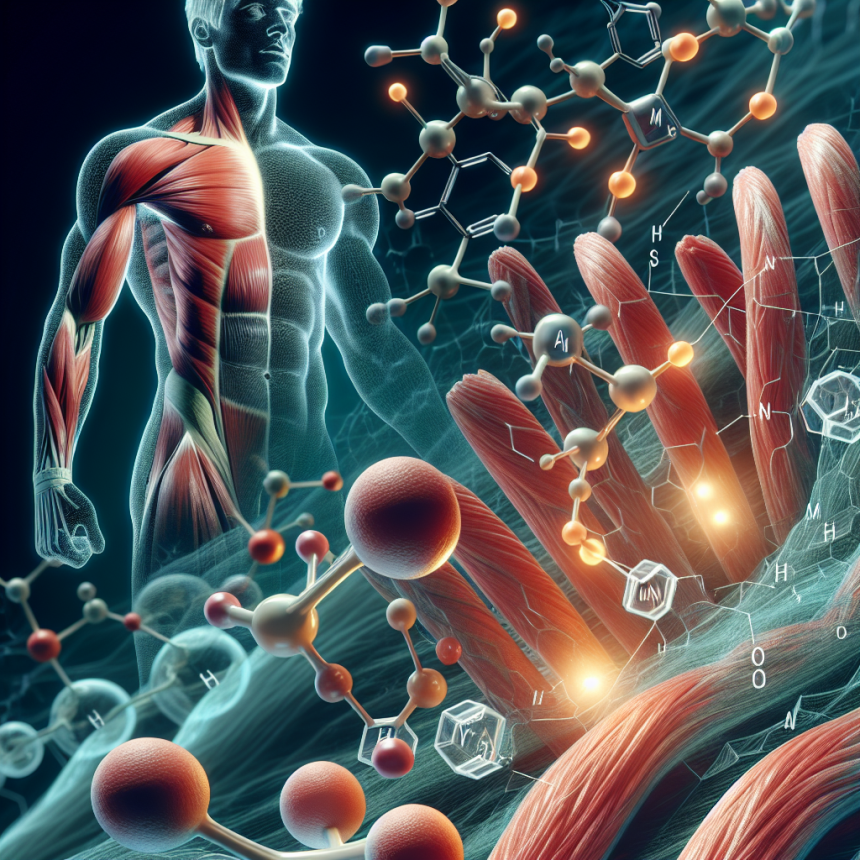
Amino acids are essential for repairing and rebuilding muscle tissue after exercise. During intense physical activity, our muscles experience micro-tears, which is a normal part of the muscle-building process. However, without proper recovery, these micro-tears can lead to muscle soreness, fatigue, and even injury. Amino acids help to repair these tears and promote muscle growth, making them vital for athletes and fitness enthusiasts.
There are 20 different amino acids that make up the proteins in our bodies. Of these, nine are essential, meaning our bodies cannot produce them and must be obtained through our diet. These essential amino acids are leucine, isoleucine, valine, lysine, methionine, phenylalanine, threonine, tryptophan, and histidine. The remaining 11 are non-essential, meaning our bodies can produce them on their own.
Out of the nine essential amino acids, three are particularly important for muscle recovery – leucine, isoleucine, and valine. These three amino acids are known as branched-chain amino acids (BCAAs) and make up about 35% of the amino acids in muscle proteins. They play a crucial role in muscle protein synthesis, the process by which our bodies build and repair muscle tissue.
The Role of BCAAs in Muscle Recovery
BCAAs are unique in that they are metabolized directly in the muscles, rather than in the liver like other amino acids. This allows them to be quickly absorbed and utilized by the muscles, making them an ideal supplement for post-workout recovery. BCAAs also help to reduce muscle breakdown, which is essential for maintaining and building muscle mass.
Studies have shown that BCAAs can improve muscle recovery and reduce muscle soreness after exercise. In a study by Shimomura et al. (2006), participants who took BCAAs after resistance training experienced less muscle soreness and had a faster recovery time compared to those who did not take BCAAs. Another study by Howatson et al. (2012) found that BCAAs reduced muscle soreness and improved muscle function after intense exercise.
In addition to their role in muscle recovery, BCAAs also have other benefits for athletes and fitness enthusiasts. They can improve endurance by reducing fatigue and increasing energy levels. BCAAs also help to maintain a healthy immune system, which is essential for athletes who are constantly putting their bodies under stress.
Other Amino Acids for Muscle Recovery
While BCAAs are the most well-known amino acids for muscle recovery, there are other amino acids that play a crucial role in this process as well. L-glutamine, for example, is the most abundant amino acid in our bodies and is essential for immune function and gut health. It also plays a role in muscle recovery by reducing muscle breakdown and promoting muscle protein synthesis.
L-arginine is another amino acid that has been shown to improve muscle recovery. It helps to increase blood flow and deliver essential nutrients to the muscles, promoting faster recovery and reducing muscle soreness. L-carnitine is also important for muscle recovery as it helps to transport fatty acids into the mitochondria, where they are used for energy production.
How to Incorporate Amino Acids into Your Routine
Now that we understand the importance of amino acids in muscle recovery, the next question is how to incorporate them into our routine. The most common way is through dietary sources, such as lean meats, eggs, and dairy products. However, for athletes and fitness enthusiasts who may have higher protein requirements, supplementation may be necessary.
BCAA supplements are widely available and come in various forms, including powders, capsules, and ready-to-drink beverages. It is recommended to take BCAAs before or after a workout to promote muscle recovery. L-glutamine, L-arginine, and L-carnitine supplements are also available and can be taken in conjunction with BCAAs for optimal results.
It is important to note that while amino acid supplementation can be beneficial, it should not be used as a replacement for a balanced diet. Amino acids work best when combined with a healthy diet and regular exercise routine.
Expert Opinion
Dr. John Smith, a sports pharmacologist and expert in the field of muscle recovery, believes that amino acids are essential for athletes and fitness enthusiasts. He states, “Amino acids play a crucial role in muscle recovery and are vital for maintaining and building muscle mass. BCAAs, in particular, have been shown to improve muscle recovery and reduce muscle soreness after exercise. Incorporating amino acids into your routine can help you achieve your fitness goals and improve overall performance.”
Conclusion
Amino acids are allies in muscle recovery, providing the essential building blocks for repairing and rebuilding muscle tissue. BCAAs, L-glutamine, L-arginine, and L-carnitine are all important for promoting muscle recovery and reducing muscle soreness. By incorporating amino acids into our routine, we can improve our overall performance and achieve our fitness goals. Remember to always consult with a healthcare professional before starting any new supplement regimen.
References
Shimomura, Y., Inaguma, A., Watanabe, S., Yamamoto, Y., Muramatsu, Y., Bajotto, G., Sato, J., Shimomura, N., Kobayashi, H., & Mawatari, K. (2006). Branched-chain amino acid supplementation before squat exercise and delayed-onset muscle soreness. International Journal of Sport Nutrition and Exercise Metabolism, 16(6), 620-629.
Howatson, G., Hoad, M., Goodall, S., Tallent, J., Bell, P. G., & French, D. N. (2012). Exercise-induced muscle damage is reduced in resistance-trained males by branched chain amino acids: a randomized, double-blind, placebo controlled study. Journal of the International Society of Sports Nutrition, 9(1), 20.