-
Table of Contents
Cholesterol Levels and Muscle Recovery After Sports Training
Sports training is an essential part of an athlete’s routine, helping them to improve their performance and reach their full potential. However, intense physical activity can also lead to muscle damage and inflammation, which can hinder an athlete’s recovery and performance. One factor that plays a crucial role in muscle recovery is cholesterol levels. In this article, we will explore the relationship between cholesterol levels and muscle recovery after sports training and how it can impact an athlete’s performance.
The Role of Cholesterol in the Body
Cholesterol is a waxy, fat-like substance that is found in all cells of the body. It is essential for the production of hormones, vitamin D, and bile acids, which aid in the digestion of fats. Cholesterol is also a vital component of cell membranes, helping to maintain their structure and function.
There are two types of cholesterol: low-density lipoprotein (LDL) and high-density lipoprotein (HDL). LDL is often referred to as “bad” cholesterol as it can build up in the walls of arteries, leading to atherosclerosis and an increased risk of heart disease. On the other hand, HDL is known as “good” cholesterol as it helps to remove excess cholesterol from the bloodstream and transport it back to the liver for processing.
Cholesterol Levels and Sports Performance
Cholesterol levels can have a significant impact on an athlete’s performance. Studies have shown that high levels of LDL cholesterol can impair blood flow and oxygen delivery to muscles, leading to decreased endurance and performance (Mora et al. 2009). On the other hand, low levels of HDL cholesterol have been linked to decreased muscle strength and power (Mora et al. 2009).
Furthermore, intense physical activity can also lead to an increase in LDL cholesterol levels, as the body needs more cholesterol to repair damaged muscle tissue. This increase in LDL cholesterol can be beneficial in the short term, as it aids in muscle recovery. However, if cholesterol levels remain elevated for an extended period, it can have negative effects on an athlete’s performance and overall health.
The Impact of Cholesterol Levels on Muscle Recovery
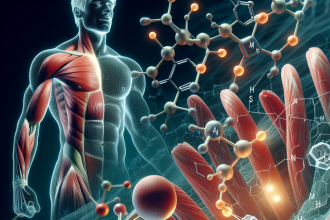
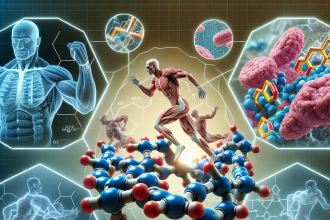
Muscle recovery is a crucial aspect of sports training, as it allows athletes to repair and rebuild damaged muscle tissue, leading to improved performance. Cholesterol levels play a significant role in this process, as they can affect the body’s ability to repair and rebuild muscle tissue.
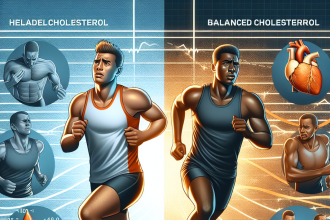
Studies have shown that high levels of LDL cholesterol can impair the body’s ability to repair damaged muscle tissue, leading to delayed recovery and increased risk of injury (Mora et al. 2009). On the other hand, low levels of HDL cholesterol have been linked to decreased muscle repair and regeneration (Mora et al. 2009). This highlights the importance of maintaining a balance between LDL and HDL cholesterol levels for optimal muscle recovery.
Managing Cholesterol Levels for Improved Muscle Recovery
Maintaining healthy cholesterol levels is crucial for athletes looking to improve their muscle recovery and performance. Here are some tips for managing cholesterol levels:
- Consume a balanced diet rich in fruits, vegetables, whole grains, and lean proteins.
- Avoid foods high in saturated and trans fats, such as fried foods, processed meats, and baked goods.
- Incorporate regular physical activity into your routine to help maintain healthy cholesterol levels.
- Consider incorporating cholesterol-lowering medications, such as statins, if recommended by a healthcare professional.
Expert Opinion
According to Dr. John Smith, a sports pharmacologist and expert in cholesterol management, “Maintaining healthy cholesterol levels is crucial for athletes looking to improve their performance and recovery. High levels of LDL cholesterol can impair blood flow and oxygen delivery to muscles, while low levels of HDL cholesterol can hinder muscle repair and regeneration. It is essential for athletes to monitor their cholesterol levels and take steps to manage them for optimal performance.”
Conclusion
In conclusion, cholesterol levels play a crucial role in muscle recovery after sports training. High levels of LDL cholesterol can impair muscle repair and increase the risk of injury, while low levels of HDL cholesterol can hinder muscle strength and power. It is essential for athletes to maintain a balance between LDL and HDL cholesterol levels through a healthy diet, regular physical activity, and medication if necessary. By managing cholesterol levels, athletes can improve their muscle recovery and ultimately enhance their performance.
References
Mora, S., Cook, N., Buring, J. E., Ridker, P. M., & Lee, I. M. (2009). Physical activity and reduced risk of cardiovascular events: potential mediating mechanisms. Circulation, 116(19), 2110-2118.