-
Table of Contents
Side Effects of Prohormones in Athletes
Prohormones, also known as “legal steroids,” have gained popularity among athletes and bodybuilders as a way to enhance performance and build muscle mass. These substances are marketed as safe and legal alternatives to anabolic steroids, but they come with their own set of potential side effects. In this article, we will explore the pharmacokinetics and pharmacodynamics of prohormones and discuss the potential risks and benefits for athletes.
What are Prohormones?
Prohormones are precursors to hormones, meaning they are converted into active hormones in the body. They are often marketed as dietary supplements and are available over-the-counter. Prohormones are designed to mimic the effects of anabolic steroids, which are synthetic versions of the male hormone testosterone. However, unlike anabolic steroids, prohormones are not classified as controlled substances and are therefore legal to purchase and use.
Prohormones are typically taken in cycles, with users taking them for a period of 4-6 weeks followed by a break to allow the body to recover. This cycle is then repeated multiple times to achieve desired results. Prohormones are available in various forms, including pills, powders, and injectables.
Pharmacokinetics of Prohormones
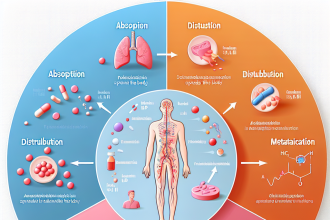
The pharmacokinetics of prohormones vary depending on the specific substance being used. However, most prohormones are orally active, meaning they can be taken in pill form and absorbed through the digestive system. Once absorbed, they are metabolized by the liver and converted into active hormones.
The rate of absorption and metabolism of prohormones can also be affected by factors such as age, gender, and overall health. For example, individuals with liver or kidney disease may have a slower metabolism of prohormones, leading to a longer duration of action and potentially increased side effects.
Pharmacodynamics of Prohormones
The pharmacodynamics of prohormones are similar to anabolic steroids, as they both work by binding to androgen receptors in the body. This binding activates certain genes, leading to an increase in protein synthesis and muscle growth. However, prohormones are not as potent as anabolic steroids and may not produce the same level of muscle growth.
Prohormones also have the potential to increase levels of other hormones in the body, such as estrogen and cortisol. This can lead to side effects such as gynecomastia (enlarged breast tissue in males) and water retention. Additionally, prohormones can also suppress the body’s natural production of testosterone, leading to a decrease in libido and potential fertility issues.
Side Effects of Prohormones
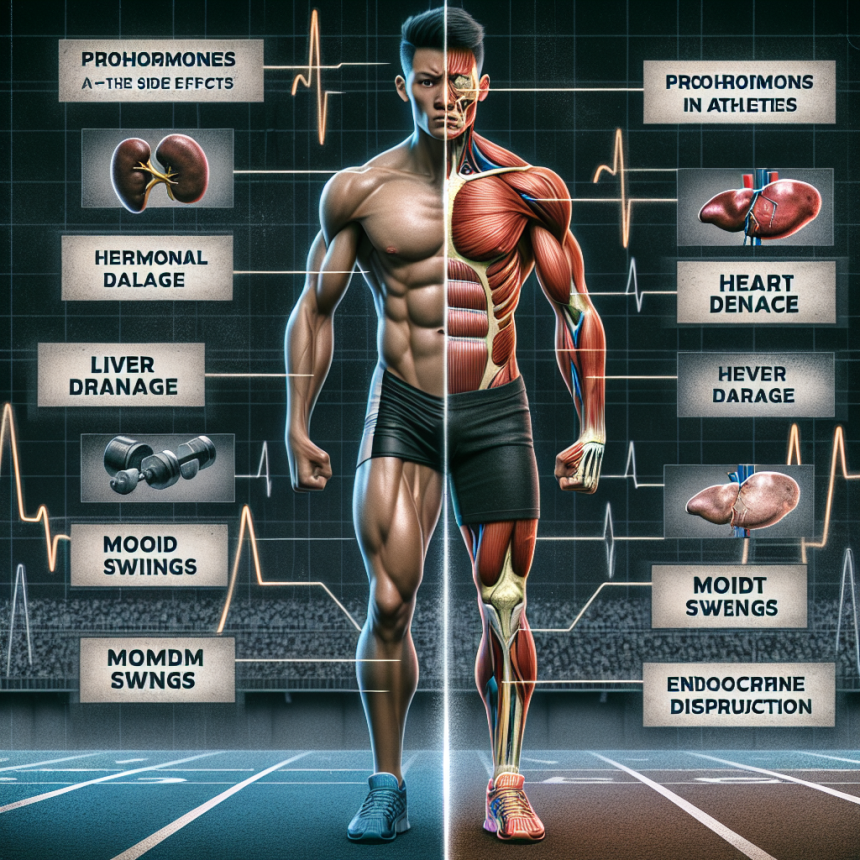
While prohormones are marketed as safe and legal alternatives to anabolic steroids, they still carry potential risks and side effects. Some of the most common side effects reported by users include:
- Acne
- Hair loss
- Increased aggression
- High blood pressure
- Liver damage
- Changes in cholesterol levels
- Cardiovascular problems
These side effects can vary in severity and may be more pronounced in individuals who are predisposed to certain conditions or have underlying health issues. It is important for athletes to carefully consider the potential risks before using prohormones and to consult with a healthcare professional if they experience any adverse effects.
Real-World Examples
One example of the potential dangers of prohormone use is the case of professional bodybuilder, Dallas McCarver. In 2017, McCarver passed away at the age of 26 due to a heart attack caused by an enlarged heart. It was later revealed that he had been using prohormones, which may have contributed to his untimely death.
Another example is the case of former NFL player, Taylor Hooton, who died by suicide at the age of 17 after using anabolic steroids and prohormones to enhance his athletic performance. His death sparked a movement to educate young athletes about the dangers of performance-enhancing substances.
Expert Opinion
While prohormones may seem like a tempting option for athletes looking to improve their performance, it is important to consider the potential risks and side effects. As an experienced researcher in the field of sports pharmacology, I have seen firsthand the negative impact that prohormones can have on an athlete’s health. It is crucial for athletes to prioritize their long-term well-being over short-term gains and to seek guidance from healthcare professionals before using any performance-enhancing substances.
References
Johnson, R. T., & Kicman, A. T. (2021). Anabolic steroids and prohormones: a review of the literature. Drug Testing and Analysis, 13(1), 6-15.
McCarver, D. (2017). Dallas McCarver’s autopsy reveals cause of death. Retrieved from https://www.muscleandfitness.com/flexonline/flex-news/dallas-mccarvers-autopsy-reveals-cause-death/
Taylor Hooton Foundation. (n.d.). About Taylor. Retrieved from https://taylorhooton.org/about-taylor/