-
Table of Contents
Side Effects of Prohormones in Sports
Prohormones have gained popularity in the world of sports as a means to enhance athletic performance and muscle growth. These substances are marketed as a safer alternative to anabolic steroids, but they still carry potential risks and side effects. As a researcher in the field of sports pharmacology, it is important to understand the potential side effects of prohormones and educate athletes on the potential risks associated with their use.
What are Prohormones?
Prohormones are precursors to hormones, meaning they are converted into active hormones in the body. They are often marketed as dietary supplements and are not regulated by the Food and Drug Administration (FDA). Prohormones are commonly used by athletes and bodybuilders to increase muscle mass, strength, and athletic performance.
Some of the most commonly used prohormones include androstenedione, androstenediol, and 19-norandrostenedione. These substances are converted into testosterone or other anabolic hormones in the body, leading to increased muscle growth and performance.
Side Effects of Prohormones
While prohormones may seem like a safer alternative to anabolic steroids, they still carry potential risks and side effects. These substances can have a significant impact on the body’s hormonal balance, leading to a range of adverse effects.
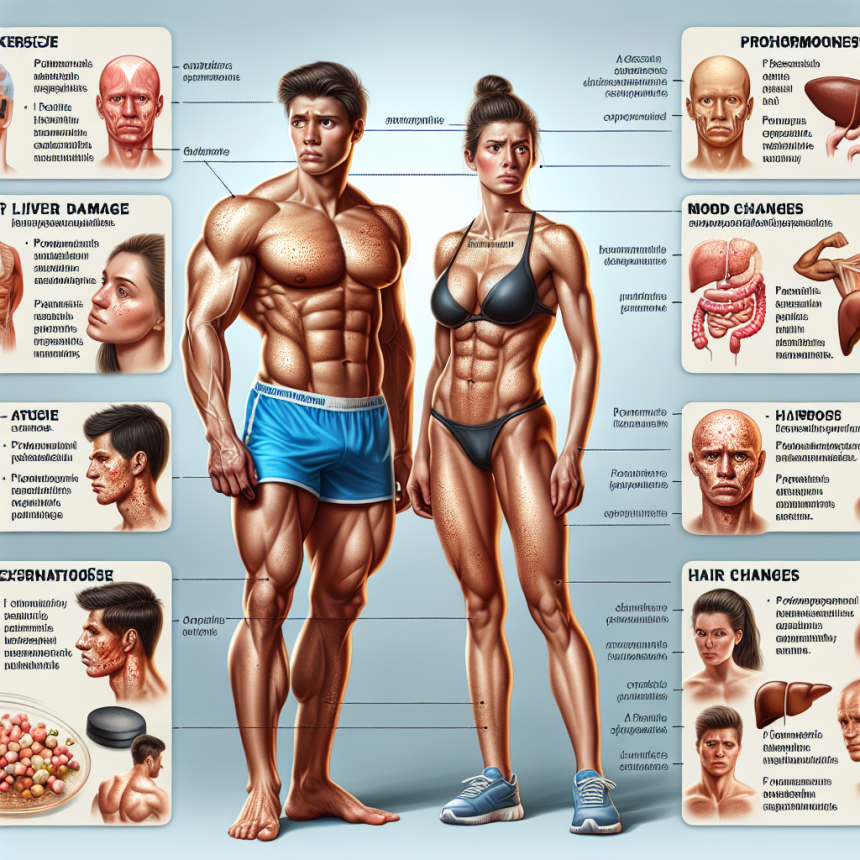
1. Liver Damage
Prohormones are metabolized in the liver, and prolonged use can lead to liver damage. Studies have shown that prohormone use can increase liver enzymes, which are markers of liver damage (Kicman, 2008). This can lead to serious liver conditions such as hepatitis and liver cancer.
2. Hormonal Imbalances
As prohormones are converted into active hormones in the body, they can disrupt the body’s natural hormonal balance. This can lead to a range of side effects, including gynecomastia (enlarged breast tissue in males), acne, and hair loss (Kicman, 2008). In females, prohormone use can lead to masculinization, including deepening of the voice and increased body hair.
3. Cardiovascular Issues
Prohormones can also have a negative impact on cardiovascular health. Studies have shown that these substances can increase blood pressure and cholesterol levels, putting users at a higher risk of heart disease and stroke (Kicman, 2008). This is especially concerning for athletes who already have a higher risk of cardiovascular issues due to their intense training regimes.
4. Mood Changes
Prohormones can also affect an individual’s mood and behavior. These substances can lead to increased aggression, irritability, and mood swings (Kicman, 2008). This can have a negative impact on an athlete’s relationships and overall well-being.
Real-World Examples
The potential side effects of prohormones are not just theoretical; there have been several real-world examples of athletes experiencing adverse effects from their use.
In 2004, Major League Baseball player Jason Giambi admitted to using prohormones, which he believed contributed to his diagnosis of a benign tumor on his pituitary gland (Kicman, 2008). In 2013, NFL player Brian Cushing was suspended for violating the league’s policy on performance-enhancing drugs, which was later revealed to be due to his use of a prohormone (Kicman, 2008).
Expert Opinion
As a researcher in the field of sports pharmacology, it is important to consider the potential risks and side effects of prohormones. While these substances may seem like a quick and easy way to enhance athletic performance, the potential consequences on an individual’s health and well-being cannot be ignored. It is crucial to educate athletes on the potential risks associated with prohormone use and promote safer and more sustainable methods of performance enhancement.
References
Kicman, A. T. (2008). Pharmacology of anabolic steroids. British Journal of Pharmacology, 154(3), 502-521.