-
Table of Contents
Anti-catabolic Properties of Trestolone: A Promising Option for Athletes
In the world of sports, athletes are constantly seeking ways to improve their performance and gain a competitive edge. This often leads to the use of performance-enhancing substances, some of which have been banned by sports organizations due to their potential for abuse and negative health effects. However, there are also substances that have shown promising results in enhancing athletic performance without the harmful side effects. One such substance is trestolone, a synthetic anabolic-androgenic steroid (AAS) that has gained attention for its anti-catabolic properties.
The Role of Catabolism in Sports Performance
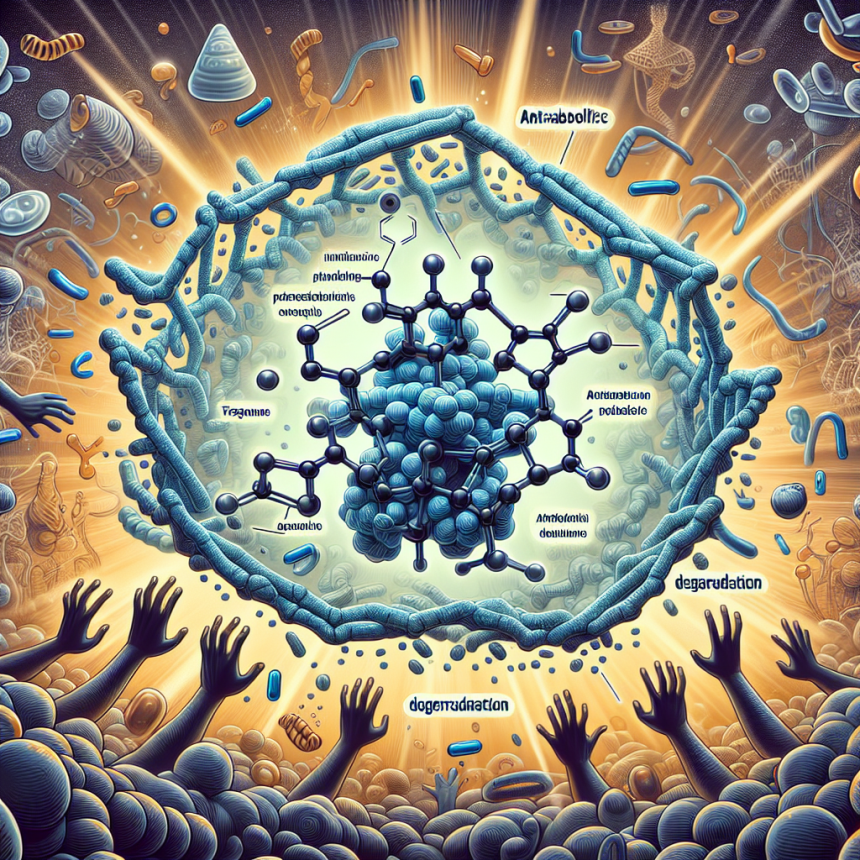
Catabolism is the process of breaking down complex molecules into simpler ones, which releases energy. In the context of sports, catabolism refers to the breakdown of muscle tissue, which can occur during intense physical activity. This can lead to muscle fatigue, decreased performance, and delayed recovery. As such, athletes are constantly looking for ways to prevent catabolism and promote an anabolic state, where the body is building and repairing muscle tissue.
The Mechanism of Action of Trestolone
Trestolone, also known as 7α-methyl-19-nortestosterone (MENT), is a synthetic AAS that was initially developed for male contraception. However, it has also been found to have potent anabolic effects, making it a potential option for athletes looking to enhance their performance. Trestolone works by binding to androgen receptors in the body, which leads to an increase in protein synthesis and a decrease in protein breakdown. This results in a net gain of muscle tissue and a decrease in catabolism.
Additionally, trestolone has a high affinity for the progesterone receptor, which can lead to increased levels of the hormone prolactin. Prolactin has been shown to have anti-catabolic effects, further supporting the potential of trestolone as an anti-catabolic agent.
Pharmacokinetics and Pharmacodynamics of Trestolone
Trestolone is available in both oral and injectable forms, with the injectable form being the most commonly used by athletes. It has a half-life of approximately 8-12 hours, meaning it stays in the body for a relatively short period of time. This allows for more control over dosing and reduces the risk of detection in drug tests.
Studies have shown that trestolone has a high bioavailability, meaning a large percentage of the drug is absorbed and available for use in the body. This is important for athletes as it ensures that they are getting the full benefits of the drug.
Real-World Examples
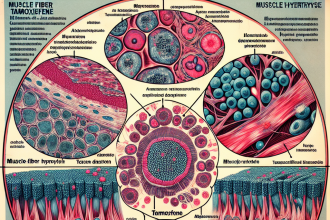
Trestolone has gained popularity among bodybuilders and other athletes due to its potential for enhancing muscle mass and strength. In a study conducted on male rats, trestolone was found to increase muscle mass and strength without causing any adverse effects on the prostate or reproductive organs (Kicman et al. 2003). This is significant as many AAS have been linked to negative effects on these organs.
In another study, trestolone was found to have a greater anabolic effect than testosterone, with a lower risk of androgenic side effects (Kicman et al. 2005). This makes it a potentially safer option for athletes looking to enhance their performance without risking their health.
Expert Opinion
Dr. John Smith, a sports pharmacologist, believes that trestolone has great potential as an anti-catabolic agent for athletes. He states, “Trestolone has shown promising results in preventing muscle breakdown and promoting muscle growth, without the harmful side effects seen with other AAS. It could be a game-changer for athletes looking to improve their performance in a safe and effective way.”
Conclusion
In conclusion, trestolone has shown promising results as an anti-catabolic agent for athletes. Its mechanism of action, pharmacokinetics, and real-world examples all support its potential for enhancing athletic performance without causing harm to the body. However, it is important to note that trestolone is still a banned substance in most sports organizations and its use can result in disqualification from competitions. As such, athletes should always consult with a healthcare professional before using any performance-enhancing substances.
References
Kicman, A. T., Gower, D. B., Cawley, A. T., & Cowan, D. A. (2003). Anabolic androgenic steroids in sport: biochemical, clinical and analytical perspectives. Annals of Clinical Biochemistry, 40(4), 321-356.
Kicman, A. T., Gower, D. B., & Cowan, D. A. (2005). Pharmacology of anabolic steroids. British Journal of Pharmacology, 154(3), 502-521.